There’s a quiet shift that happens in March.
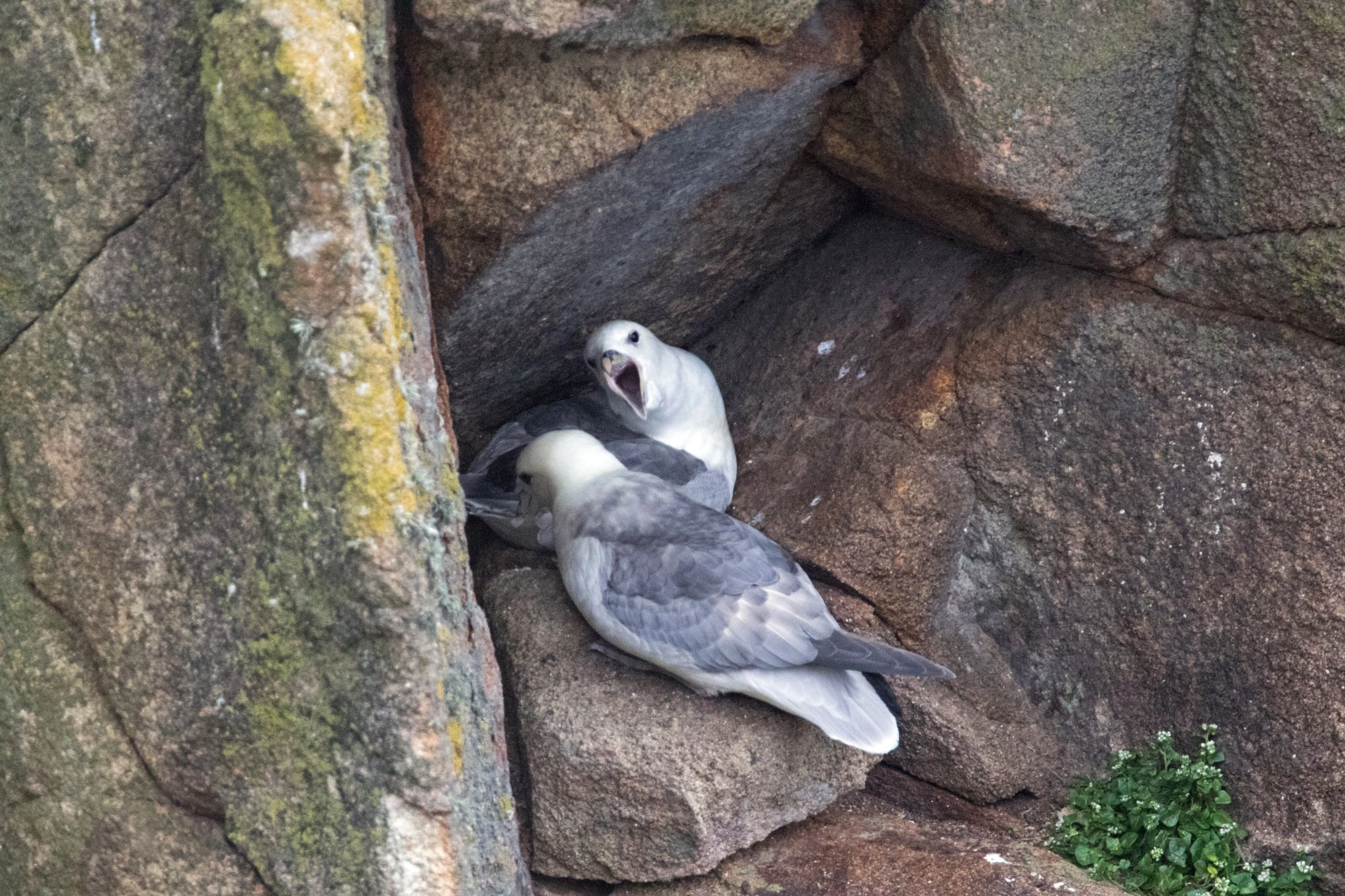
The days begin to stretch, the sea softens from its winter grey, and along cliffs that have been still for months, life starts to return. Fulmars are often the first back, gently reclaiming their ledges. Then come the gannets, returning to the exact same nesting spots they’ve used year after year.
By April, the transformation is complete. The cliffs are alive with colour, sound and movement this is one of the most spectacular wildlife experiences the UK coast has to offer. But it’s also a moment that depends entirely on one thing: being left undisturbed at exactly the right time.
Spring is when everything is at stake for our coastal and marine wildlife. It’s also when more of us head outdoors, explore the coast and take to the water. Finding the right balance is what WiSe is here to help with.
What’s happening along the coast right now
Spring is full of quiet but critical moments - many of which happen out of sight.
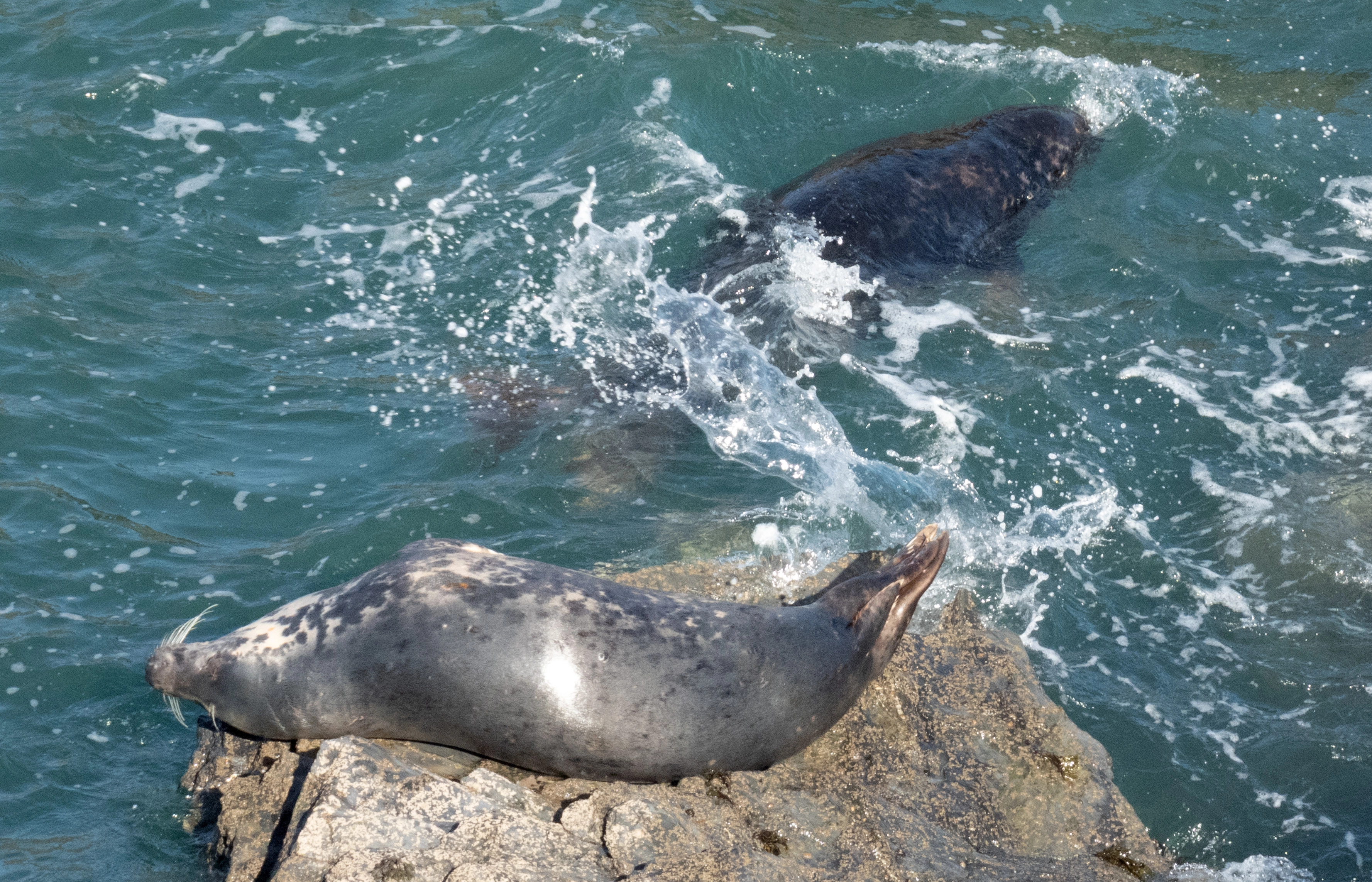
In March, grey seals enter an important stage of their reproductive cycle, implanting fertilised eggs they’ve been carrying since autumn. Disturbance now doesn’t just cause stress - it can lead females to abandon important haul-out sites they’ve relied on for years.
Out at sea, the first cetacean sightings return too: common dolphins feeding offshore, and, for the lucky few, early glimpses of humpback and fin whales.
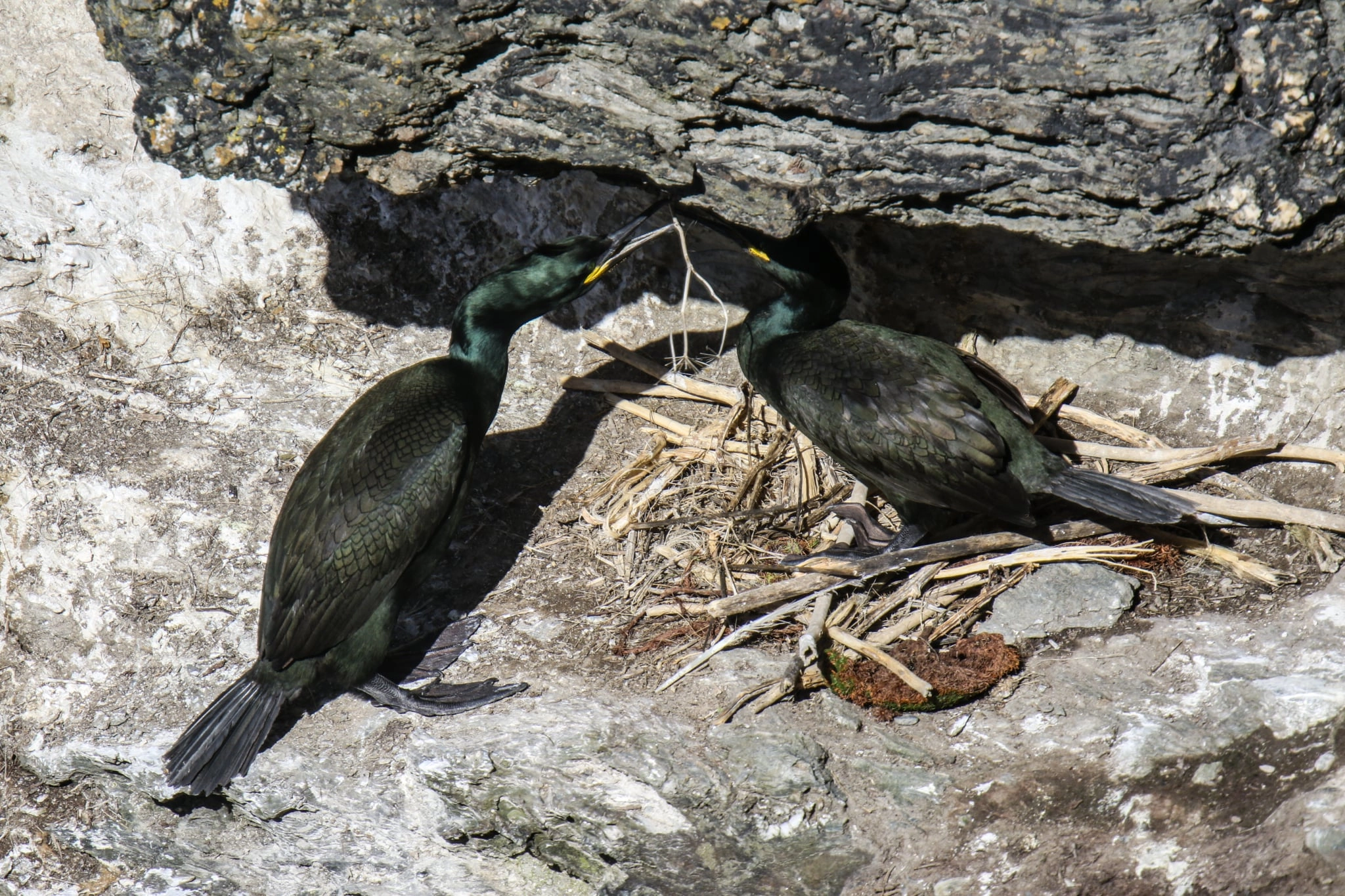
By April, things feel busier. Puffins, Shags and other seabirds return to their burrows and nesting sites - often the very same ones they’ve used for years - and breeding is underway across the UK. Risso dolphins begin appearing more frequently inshore. It’s a time of arrival and new beginnings, but also a time when a single disturbance can quietly disrupt a breeding attempt before it’s even properly begun.
Come May, the season reaches a peak. Orca sightings increase off Scotland’s coasts, and dolphin and porpoise calves begin to appear. On the cliffs, eggs are incubating and chicks are starting to hatch. At this point, everything depends on conserving energy and maintaining calm, stable conditions.
The disturbance problem (and why you might not notice it)
One of the most important things to understand about wildlife disturbance is this: you often can’t see it happening.
An animal that stays still or doesn’t flee isn’t necessarily undisturbed. Research shows that even the quiet presence of people, boats, drones, or dogs can raise heart rates and stress levels in wildlife.
In spring, when energy is limited and every effort is focused on breeding, that hidden stress can make all the difference.
For seabirds, the risks are even more immediate. If birds are startled from a nesting cliff, eggs can be knocked loose, chicks left exposed, or breeding attempts lost entirely. For species like guillemots, which balance their eggs on bare rock, a single disturbance can be catastrophic.
How to be a good guest this spring
The good news is that small, thoughtful actions make a huge difference.
- Keep your distance from nesting cliffs
Approach slowly (under 5 knots if on the water), stop well back (at least 100 metres), and avoid loud noises. If birds start to react - calling, shifting, or flapping - gently move away. - Give seals space
Early spring is a sensitive time, even if seals don’t appear obviously pregnant. Stay at least 100 metres away and never land on a beach where seals are present. - Keep dogs on leads
A loose dog can cause as much disturbance as a boat getting too close - especially around nesting areas. - Take extra care on calm days
Calm seas make it easier to approach wildlife - but that’s exactly when extra restraint is needed, particularly for paddleboarders and kayakers.
A helpful new resource
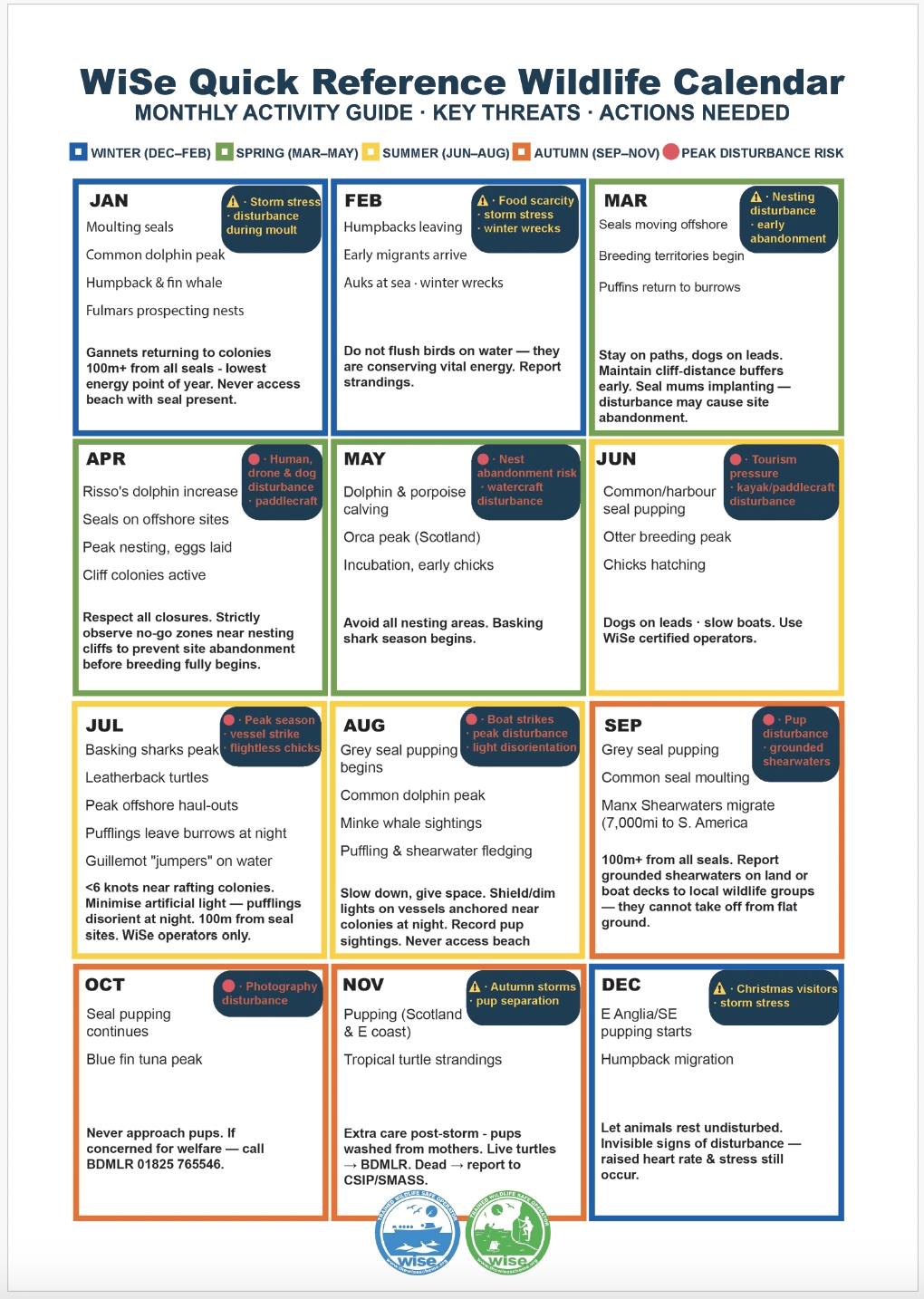
To make things easier, we’ve created the WiSe Quick Reference Wildlife Calendar this is a simple, month-by-month guide to what’s happening in nature, what to look out for, and how to minimise disturbance.
It’s designed to help you plan ahead and make informed choices while you’re out enjoying the coast.
The bigger picture
Spring on the coast is something truly special.
The UK supports internationally important populations of grey seals, puffins, gannets, kittiwakes, guillemots, and cetaceans many of which travel vast distances to breed here. When they arrive, they need space, calm and the chance to get on with what matters most.
If you’re heading out on the water this season, consider choosing a WiSe-certified operator. Not just because it helps protect wildlife - but because the most memorable encounters are often the most natural ones.