Course Information

WiSe Operators & Adventure Course
The WiSe Operator & Adventure Course is the UK’s leading training scheme for wildlife-safe marine and coastal operations. Designed for tour operators, adventure activity providers, wildlife guides, charter skippers, kayak guides, coasteering instructors, photographers and anyone working professionally around marine wildlife.
Course Format
Online delivery over two evenings (2.5 hours per session, 5 hours total)
Taught by industry-leading experts in marine biology, conservation and wildlife management
Interactive learning with real-world case studies and current topical issues
National certification recognised across the UK marine tourism industry
Please note: WiSe offers 20% discount for all companies sending 3 or more individuals on a course, please contact us to learn more.
What You Will Study
Cetaceans
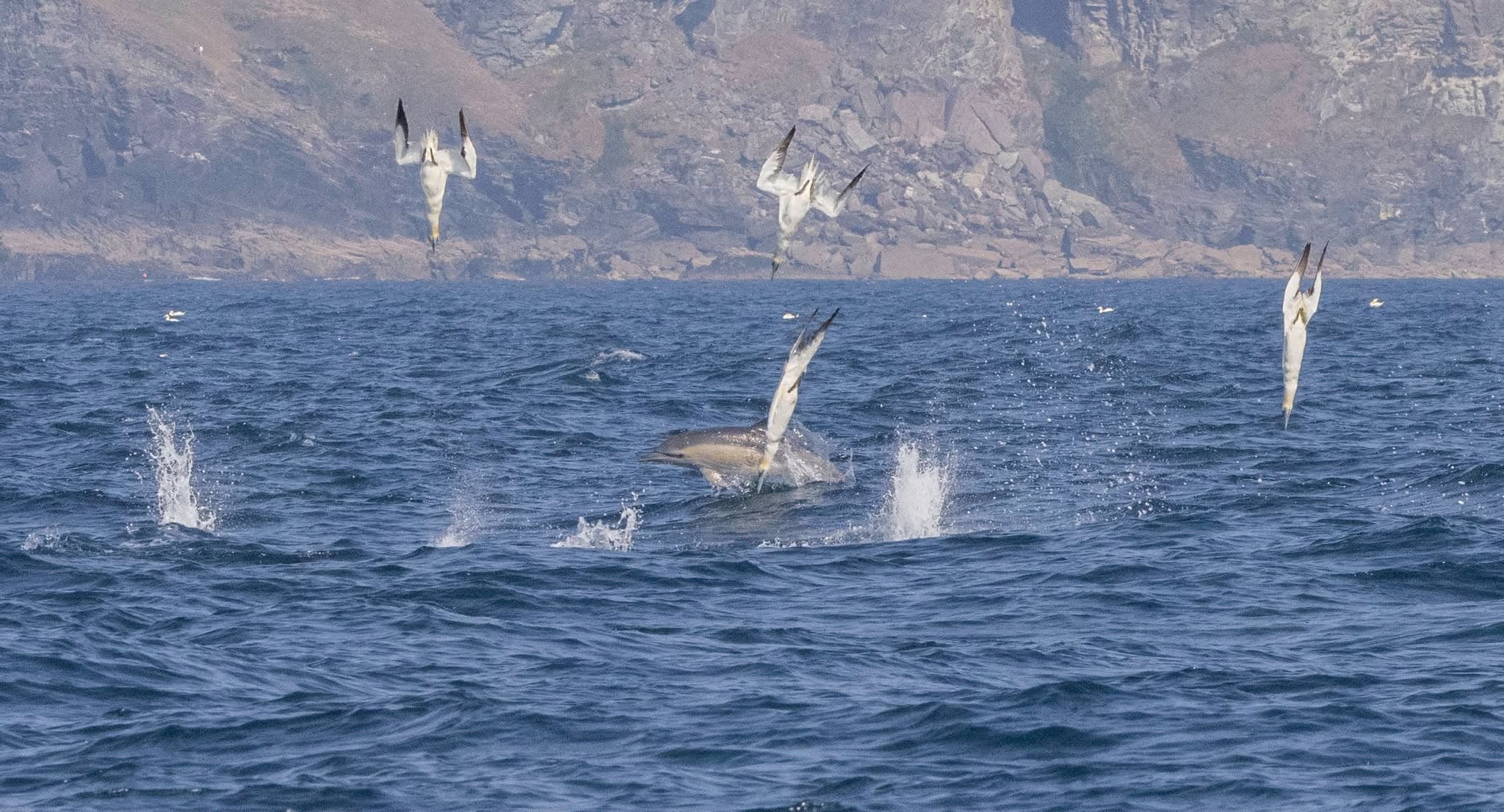
In-depth coverage of whales, dolphins and porpoises in UK waters. Learn species identification, behaviour patterns, communication methods and feeding strategies. Understand disturbance indicators and legal approach distances. Study the impacts of vessel traffic, noise pollution and how to facilitate safe, respectful encounters.
Seals
Comprehensive training on grey and common seals, including breeding biology, haul-out behaviour and critical pupping seasons. Learn to recognise signs of stress and disturbance, understand the implications of interrupting rest and thermoregulation and apply best practice guidelines for coastal activities near seal colonies.
Seabirds
Explore the diversity of UK seabirds from breeding colonies to foraging grounds. Study nesting behaviours, migration patterns and the pressures facing seabird populations. Understand how disturbance affects breeding success and learn mitigation strategies for activities near nesting sites, roosting areas and feeding zones.
Other Marine Species
Coverage includes basking sharks, marine turtles, otters, sunfish, tuna and other species encountered in UK coastal waters. Learn species-specific vulnerabilities, seasonal patterns and appropriate response protocols when encountering these animals during operations.
Shoreline & Intertidal Habitats
Understanding coastal ecology from the splash zone to the subtidal. Learn about rocky shore zonation, tide pool communities and identification of invasive and non-native species. Discover how human activity impacts these fragile habitats and the best practices for minimising footfall damage, equipment placement and group management in sensitive intertidal areas. Looking at citizen science recording protocols and reporting mechanisms that support national conservation efforts and biosecurity measures.
Blue Health
The connection between healthy marine ecosystems and human wellbeing. Learn how sustainable wildlife tourism supports both conservation goals and community health benefits and understand the role of responsible coastal access in promoting marine stewardship.
Current Topical Issues
Discussion of emerging challenges and developments in marine conservation, including climate change impacts, marine spatial planning, protected area designations, wildlife disturbance legislation updates and evolving best practices in the industry.
Who We Recommend This Training For
WiSe courses are for people who work on, in or around the sea and want to ensure their activities are safe, responsible and aligned with best practice for wildlife protection.
Wildlife tour operators (boat-based and shore-based) | Charter skippers and commercial vessel operators | Kayak and SUP guides and instructors | Coasteering and adventure activity providers | Wildlife photographers and photography guides | Marine educators and interpreters | Snorkelling and diving operators | Outdoor education providers | Rock pooling and shore exploration guides | Anyone working professionally in UK coastal and marine environments
